Product Sep 15, 2026 7 min read
Reading a damage claim from three photos
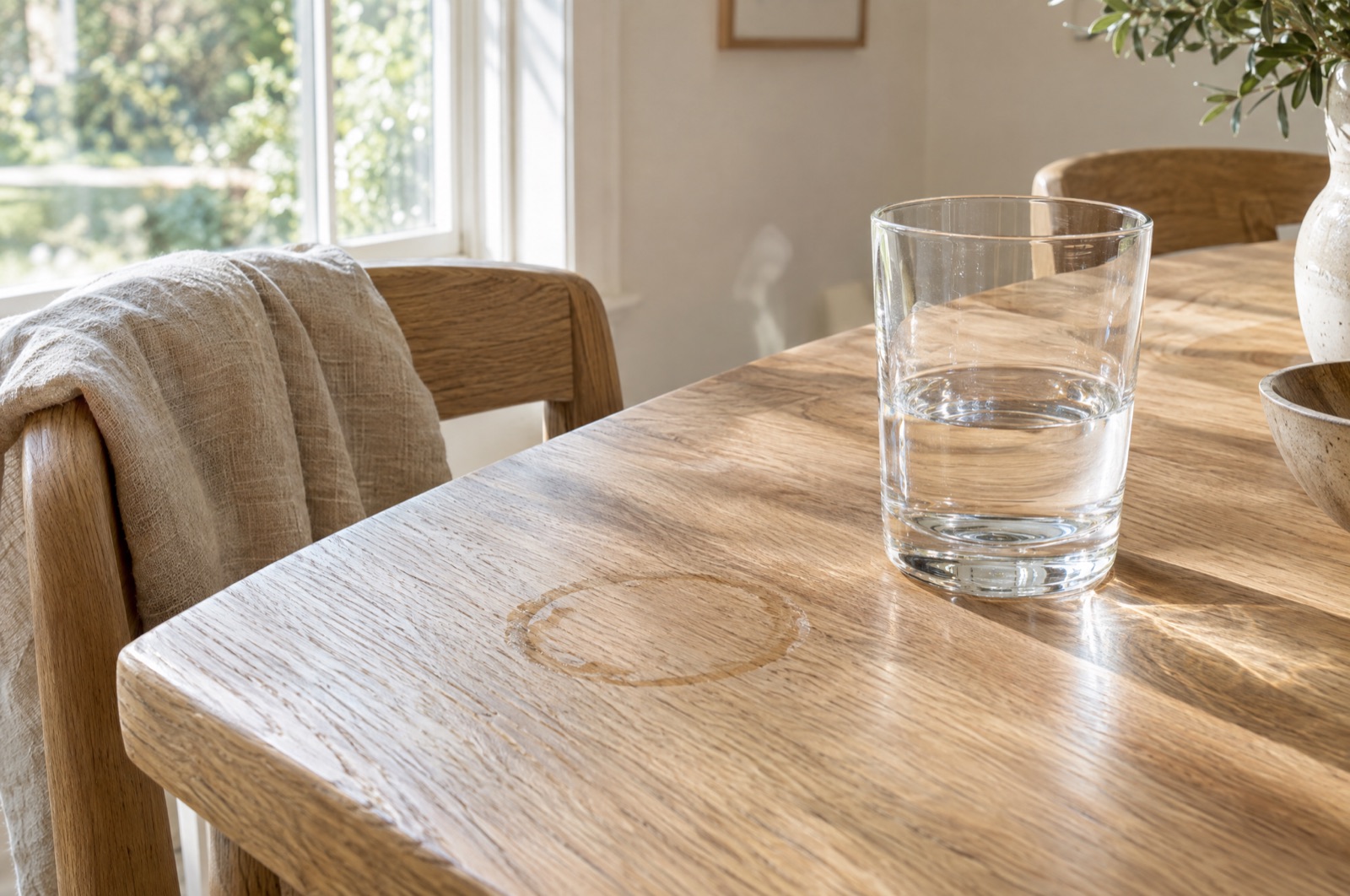
A white ring on an oak table is a finish claim. A crack along the grain is a structural one. How Porchlight tells them apart, and where it stops trying.

Teodor Brask Co-founder and CTO
Damage claims are the second-largest category in a furniture brand’s inbox and by far the most expensive. Every one of them ends in money: a refund, a replacement part, a new tabletop, a technician’s visit. Getting the category wrong costs real dollars in both directions.
Since August, Porchlight reads the photos a customer attaches to a claim. This post is about what that means in practice and, more importantly, what it does not mean.
It sorts, it does not decide
The single most important design decision was this: Porchlight never approves a damage claim. It reads the photos, sorts the claim into a category your warranty uses, pulls the clause that applies, and writes up a summary for the person who will decide. That person is always on your team.
We made that choice because the cost of a wrong yes is a cost you never see. A brand that refunds every white ring will, within a season, be refunding a lot of white rings.
What it looks for
For case goods (tables, dressers, nightstands) the categories are narrow, and most warranties already use them:
- Finish. Rings, haze, clouding, a soft spot in the lacquer. Usually covered for years, usually fixed with a refinishing kit or a new top.
- Structural. A split along the grain, a loose joint, a leg that rocks. Covered differently, often with a technician visit first.
- Transit. A dent with a crushed corner protector beside it, a gouge on one edge. This is a freight claim, and the clock for filing it with the carrier is short.
- Not covered. Pet scratches, sun fading, a burn. The kindest thing is to say so quickly, with the clause.
Upholstery has its own list: pilling, seam separation, frame noise, foam that has lost its loft. Porchlight reads a fabric photo for the first two and asks a question for the last two, because you cannot photograph a creak.
Three photos, not one
A single photo of a white ring tells you almost nothing. Three tell you a lot: one wide (is it a dining table or a side table, is there a coaster in the room), one close (is the mark in the finish or under it), one at an angle (does it catch the light like haze, or sit flat like a stain).
So when a customer sends one photo, Porchlight asks for the other two, in plain words: “Could you send one more from a step back, and one with the light coming across the table?” Customers send them. The claim that reaches your team is better than the one most agents get today.
The summary your team receives
When a claim is handed off, the teammate sees a card with the order, the delivery date, the coverage that is active, the category Porchlight read from the photos, and a suggested resolution drawn from your own past decisions on similar claims. In our tests with three brands, the suggested resolution matched what the agent chose 84% of the time. The other 16% is exactly why a person is there.
Where it stops
Below the confidence line you set for damage claims (most brands choose somewhere between 80% and 90%), Porchlight does not even suggest a category. It says “I could not tell from these photos” and hands off with the photos attached. We would rather it say that a hundred times than be confidently wrong once.
Photo reading is on the Parlor and Estate plans. If you are on Porch and want to try it, write to us and we will switch it on for your trial.
Answer the delivery question tonight
Connect your storefront and one carrier this afternoon. Porchlight drafts tonight’s replies for you to approve in the morning.